

Introduction:
Choosing the right solar battery is crucial for maximizing the efficiency and longevity of a solar energy system. Two popular options in the market are lead-acid and lithium-ion batteries. Each type of battery offers unique advantages and considerations that can impact the performance and cost-effectiveness of a solar energy setup. In this blog post, we will compare lead-acid and lithium-ion batteries to help you determine which type is best suited for your specific solar energy needs.
Lead-Acid Batteries
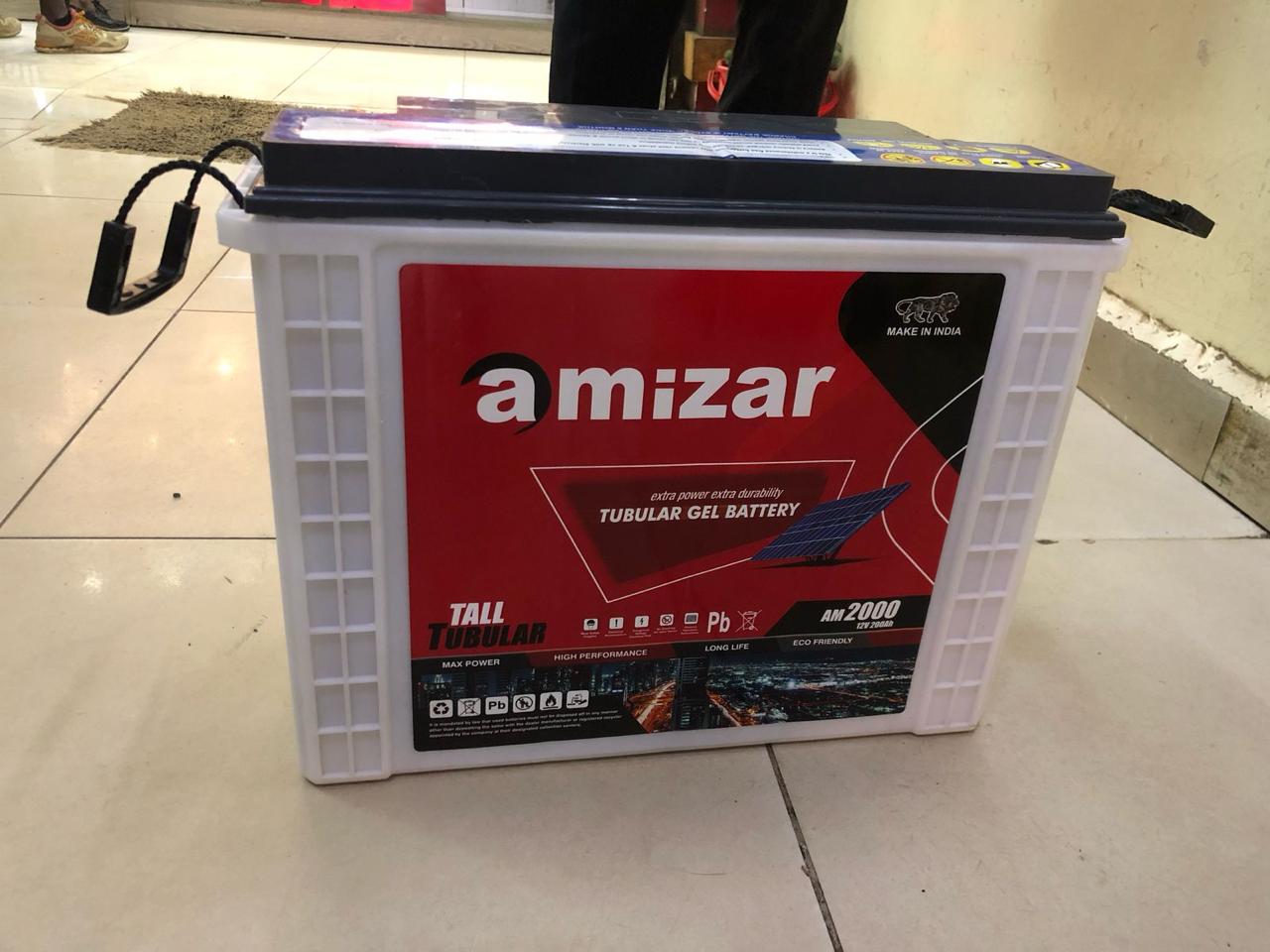
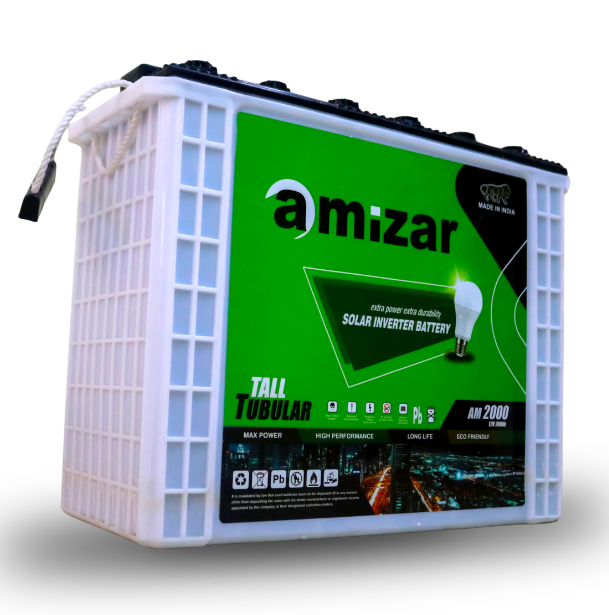
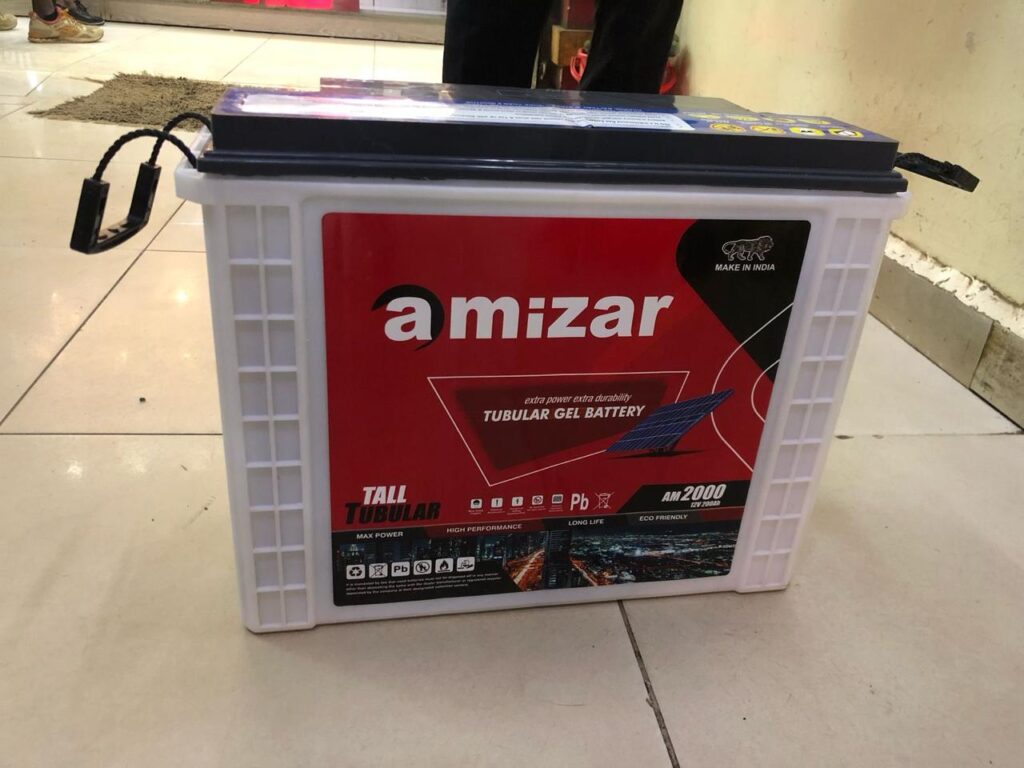
Lead-acid batteries have been a traditional choice for energy storage in solar power systems for many years. These batteries are known for their reliability, low cost, and wide availability. Lead-acid batteries come in two main types: flooded lead-acid batteries and sealed lead-acid batteries (AGM and Gel).
Advantages of Lead-Acid Batteries:
- Cost-Effective: Lead-acid batteries are generally more affordable upfront compared to lithium-ion batteries.
- Reliable: Lead-acid batteries have a proven track record of reliability and performance in solar energy applications.
- Easy Maintenance: Lead-acid batteries are relatively easy to maintain and troubleshoot.
Considerations for Lead-Acid Batteries:
- Limited Cycle Life: Lead-acid batteries have a shorter cycle life compared to lithium-ion batteries, which may require more frequent replacements.
- Higher Self-Discharge Rate: Lead-acid batteries tend to have a higher self-discharge rate, meaning they lose energy over time even when not in use.
- Lower Energy Density: Lead-acid batteries have lower energy density compared to lithium-ion batteries, which can result in larger and heavier battery banks for the same storage capacity.
Lithium-Ion Batteries:
Lithium-ion batteries have gained popularity in recent years due to their higher energy density, longer cycle life, and faster charging capabilities. These batteries are known for their lightweight design, high efficiency, and lower maintenance requirements compared to lead-acid batteries.
Advantages of Lithium-Ion Batteries:
- High Energy Density: Lithium-ion batteries offer higher energy density, allowing for more energy storage in a smaller footprint.
- Longer Cycle Life: Lithium-ion batteries have a longer cycle life compared to lead-acid batteries, reducing the frequency of replacements.
- Faster Charging: Lithium-ion batteries can be charged more quickly than lead-acid batteries, allowing for faster turnaround times in solar energy storage.
Considerations for Lithium-Ion Batteries:
- Higher Initial Cost: Lithium-ion batteries generally have a higher upfront cost compared to lead-acid batteries.
- Complex Maintenance: Lithium-ion batteries may require specialized maintenance and monitoring to optimize performance and longevity.
- Safety Concerns: While rare, lithium-ion batteries carry a risk of thermal runaway and require proper installation and handling to mitigate safety risks.
Choosing the Right Solar Battery for You:
When deciding between lead-acid and lithium-ion batteries for your solar energy system, consider factors such as budget, energy storage requirements, space limitations, maintenance preferences, and long-term goals. Lead-acid batteries are a cost-effective and reliable option for smaller-scale projects with limited budgets, while lithium-ion batteries are ideal for those seeking high performance, longer cycle life, and advanced energy storage capabilities.
In conclusion, the choice between lead-acid and lithium-ion batteries for your solar energy system ultimately depends on your specific needs and priorities. By understanding the advantages and considerations of each type of battery, you can make an informed decision that aligns with your budget, energy demands, and long-term sustainability goals. Whether you opt for the affordability of lead-acid batteries or the performance of lithium-ion batteries, both options offer reliable energy storage solutions for harnessing the power of solar energy and reducing your carbon footprint.