

Installing a solar power kit can be a rewarding and cost-effective way to harness renewable energy and reduce your reliance on the grid. However, it’s crucial to have a clear understanding of the installation process and considerations to ensure that your solar system functions optimally.

Here is a guide on what you should know when installing a solar power kit:
- Evaluate Your Energy Needs:
Before purchasing a solar power kit, assess your energy consumption patterns and determine the size of the system you need to meet your electricity requirements. Consider factors such as the number of appliances, lighting, and devices you intend to power with solar energy to size the system appropriately. - Choose the Right Location:
Select a suitable location for installing solar panels where they can receive maximum sunlight exposure throughout the day. Ideally, install solar panels on a south-facing roof or in an area free from shading to optimize energy production. Consider factors such as roof orientation, tilt angle, and obstructions that may affect sunlight access. - Check Local Regulations:
Before installing a solar power kit, familiarize yourself with local regulations, permitting requirements, and building codes related to solar installations in your area. Obtain necessary permits and approvals from local authorities to ensure compliance with safety and zoning regulations. - Assess Roof Condition and Structural Integrity:
Inspect the condition of your roof to ensure it is structurally sound and capable of supporting the weight of solar panels. Consider factors such as roof age, material, and potential need for reinforcements or repairs before proceeding with the installation. - Install Mounting Hardware:
Securely mount solar panels on the roof or ground using appropriate mounting hardware and equipment. Ensure that mounting racks are properly anchored and tilted at the optimal angle to maximize sunlight exposure and energy production. Follow manufacturer guidelines for installation to avoid damage or malfunctions. - Connect Electrical Components:
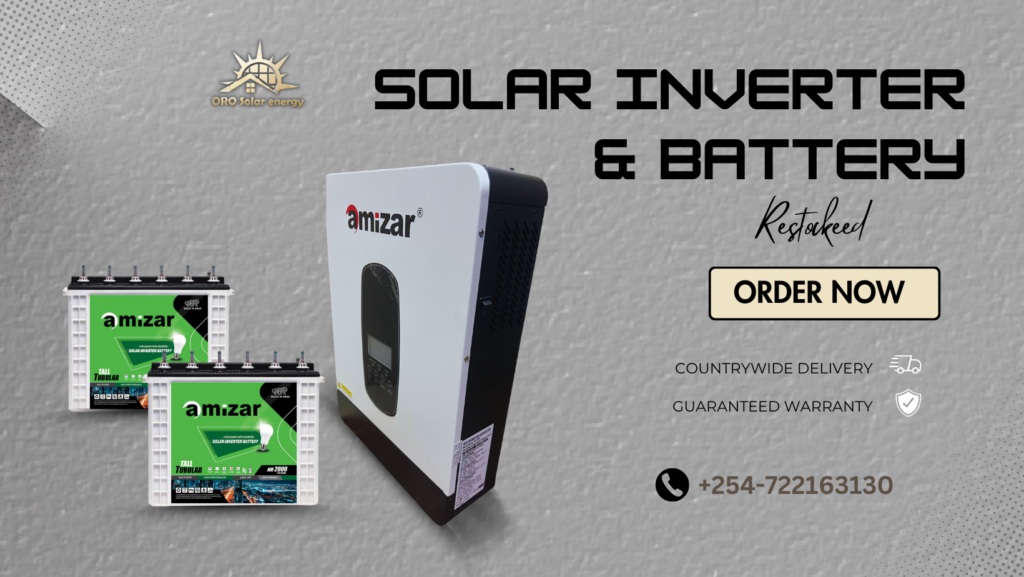
Connect solar panels to inverters, charge controllers, batteries, and electrical panels following the manufacturer’s instructions and safety guidelines. Ensure proper grounding and wiring connections to prevent electrical hazards and optimize system performance. Consider hiring a certified electrician for complex electrical work. - Test and Commission the System:
Once the solar power kit is installed, conduct initial tests to check system functionality, energy production, and connectivity. Verify that solar panels are generating electricity, batteries are charging efficiently, and inverters are converting DC power to AC power correctly. Monitor system performance and troubleshoot any issues promptly. - Optimize System Performance:
Regularly monitor and maintain your solar power kit to ensure optimal performance and longevity. Clean solar panels periodically to remove dirt and debris that may hinder sunlight absorption. Check battery levels, wiring connections, and system components for signs of wear or damage and address any issues promptly. - Consider Expansion and Upgrades:
Plan for future expansion or upgrades to your solar power kit based on changing energy needs, technological advancements, and budget considerations. Explore options for adding more solar panels, energy storage capacity, or smart monitoring systems to enhance the efficiency and functionality of your solar system over time.
By following these guidelines and considerations when installing a solar power kit, you can set up a reliable and efficient renewable energy system that provides sustainable power for your home or business. Ensure that you conduct thorough research, seek professional guidance when needed, and adhere to best practices to maximize the benefits of solar energy and reduce your carbon footprint.