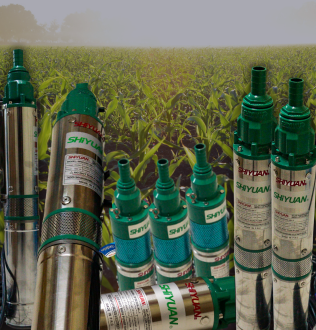


When buying solar products in Kenya, it’s essential to consider several factors to ensure you get the right products that meet your energy needs and budget. Here are key things to look for when purchasing solar products in Kenya:

- Quality and Reliability:
Invest in high-quality solar products from reputable brands with a track record of reliability. Ensure that the solar panels, inverters, batteries, and other components are certified and meet international quality standards to guarantee long-term performance and durability. - Efficiency and Output:
Look for solar panels with high efficiency ratings to maximize energy production. Consider the wattage output of the solar panels to ensure they can generate enough power to meet your electricity needs, especially during peak sunlight hours. - System Size and Design:
Determine the size of the solar system you need based on your energy consumption patterns and available space for installation. Work with a professional solar installer to design a customized system that suits your specific requirements and optimizes energy production. - Warranty and After-Sales Support:
Check the warranty terms offered by the solar product manufacturer and ensure that they provide adequate coverage for repairs or replacements in case of product defects. Choose suppliers who offer reliable after-sales support and maintenance services to ensure the longevity of your solar system. - Cost and Financing Options:
Compare prices from different solar product suppliers to find competitive pricing without compromising on quality. Explore financing options such as loans or payment plans to make solar products more affordable and accessible for your budget. - Installation and Permitting:
Hire certified solar installers who are experienced in installing solar systems in Kenya and familiar with local regulations and permitting requirements. Ensure that the installation process complies with safety standards and building codes to avoid any issues in the future. - Compatibility and Integration:
Ensure that the solar products you choose are compatible with each other and can integrate seamlessly into your existing electrical system. Consider factors such as voltage compatibility, system monitoring capabilities, and the ability to expand the system in the future. - Energy Storage Options:
Evaluate the need for energy storage solutions such as batteries to store excess solar energy for use during periods of low sunlight or power outages. Choose high-quality batteries with sufficient storage capacity and a long cycle life to optimize your energy independence. - Solar Rebates and Incentives:
Explore available solar rebates, tax incentives, and government subsidies that can help offset the initial costs of purchasing solar products in Kenya. Take advantage of these incentives to make your solar investment more financially viable.
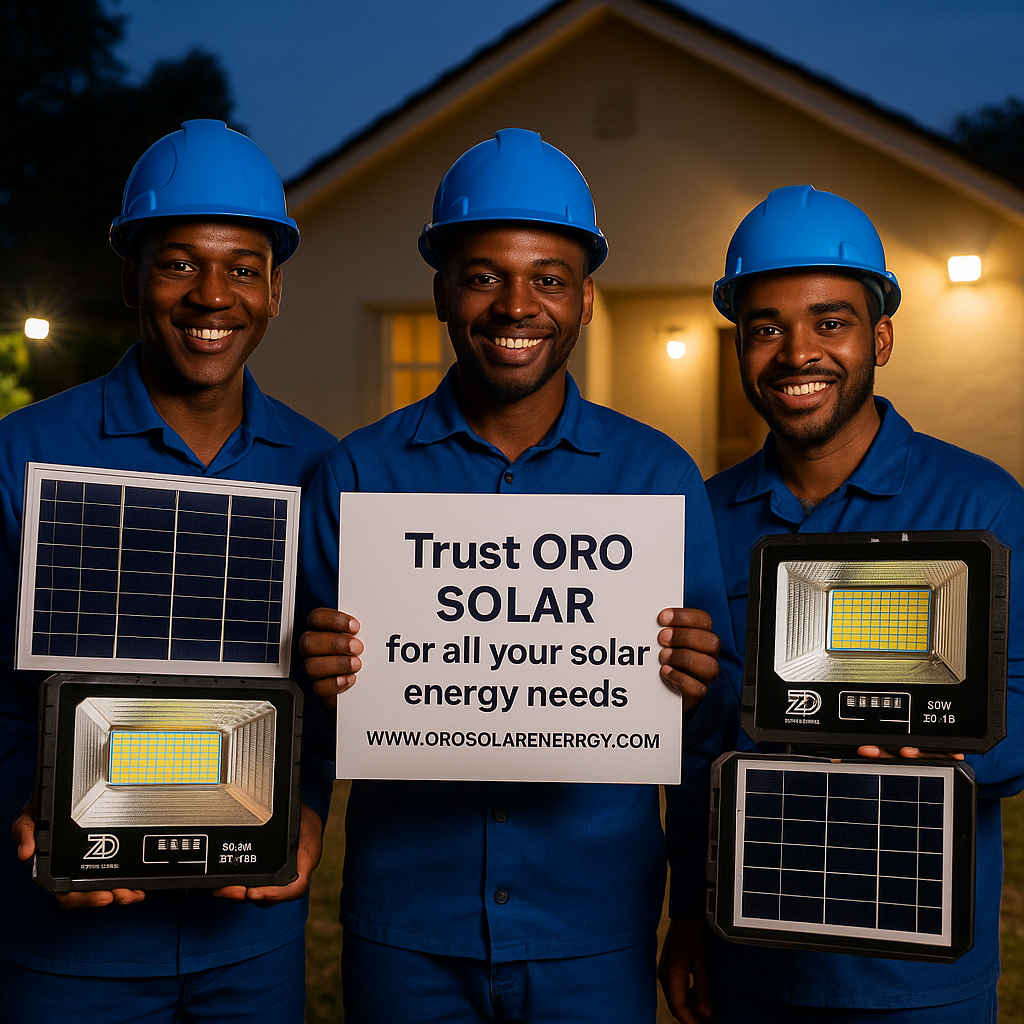
By considering these factors when buying solar products in Kenya, you can make informed decisions and invest in a reliable, efficient, and cost-effective solar system that meets your energy needs and contributes to a sustainable future.